

NEWS
【Q&A】SeaWalk GAME BLENDER 510L/ML
Our new 2026 release, the “SeaWalk GAME BLENDER 510L&510ML,” was recently launched—have you had a chance to get your hands on one yet?
This series introduces an unprecedented concept, allowing you to enjoy multiple styles of fishing with the same highly-refined feel of a specialized rod. It boasts performance that satisfies not only beginners but also hardcore anglers.
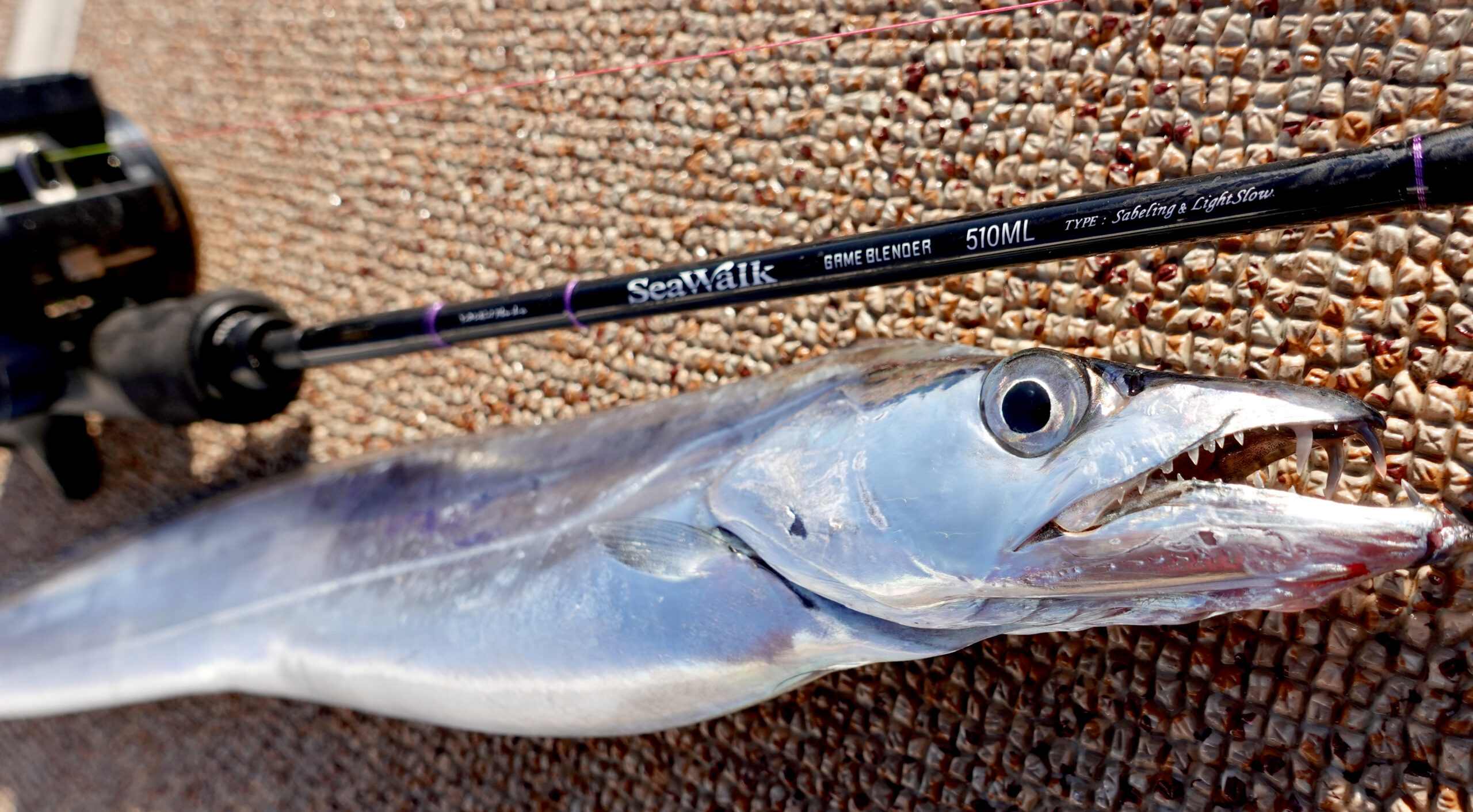
The first models in this lineup are the 510L and 510ML, designed for you to enjoy a crossover of “Hairtail Jigging & Light Slow Jigging.”

Today, we’re answering some of the most frequently asked questions in a Q&A format: What kind of rod is the Game Blender? What is it capable of?
We’ll also dive deep into topics like optimal reel pairings, so please stay tuned until the end!
https://yamaga-blanks.com/product/boat-light-game/seawalk-gb/?lang=en
Q: What is the Game Blender 510 designed for?
A: It is primarily designed for hairtail (cutlassfish) jigging and light slow jigging in inshore waters.
Q: How would you describe the handling and rod action?
A: The blank is designed with a crisp overall tension, while the fulcrum of the bend is brought closer to your hands. Because of this, even a light jerk engages the rod’s repulsion, allowing the jig to smoothly glide and dart upwards on its own.

It is exceptionally easy to operate, making it effortless to turn the jig sideways and create the ideal falling posture.
This characteristic shines in both hairtail setups and slow jigging. It handles high-pitch actions perfectly, and because you can feel subtle changes during the fall right at your fingertips, it allows for a highly proactive, aggressive hooking style.
Q: What is the recommended water depth?
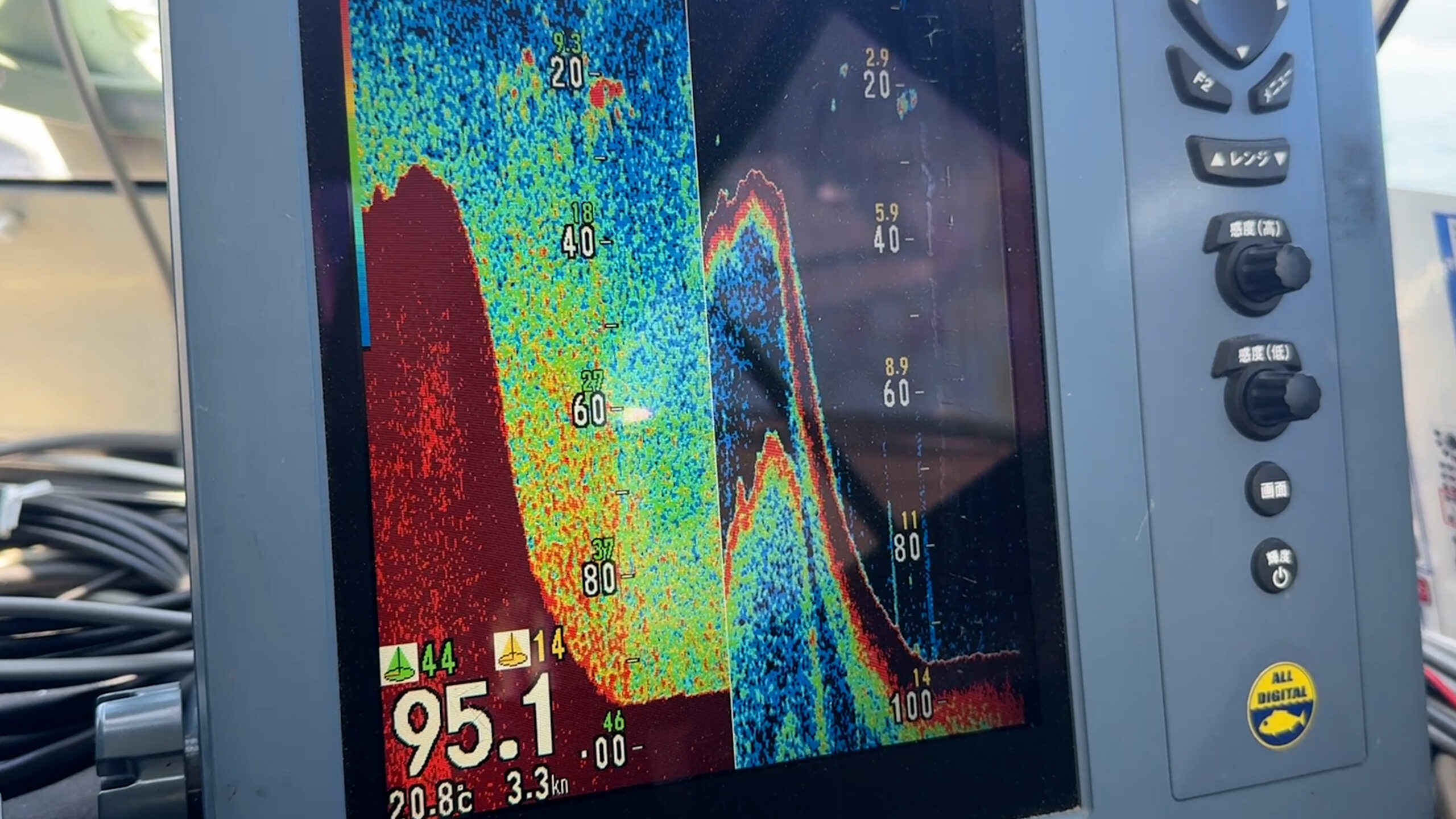
A: For the 510ML, if the current isn’t running too fast, it can handle depths down to about 200 meters. In such cases, we sometimes intentionally load it with heavier jigs up to 300g.
For the 510L, a good benchmark is around 100 to 150 meters. The most comfortable operating depth is up to roughly 100 meters.
However, please note that the ideal depth can vary depending on regional characteristics, current speed, and the presence of double-tier currents.
Q: What is the optimal jig weight for the 510L?
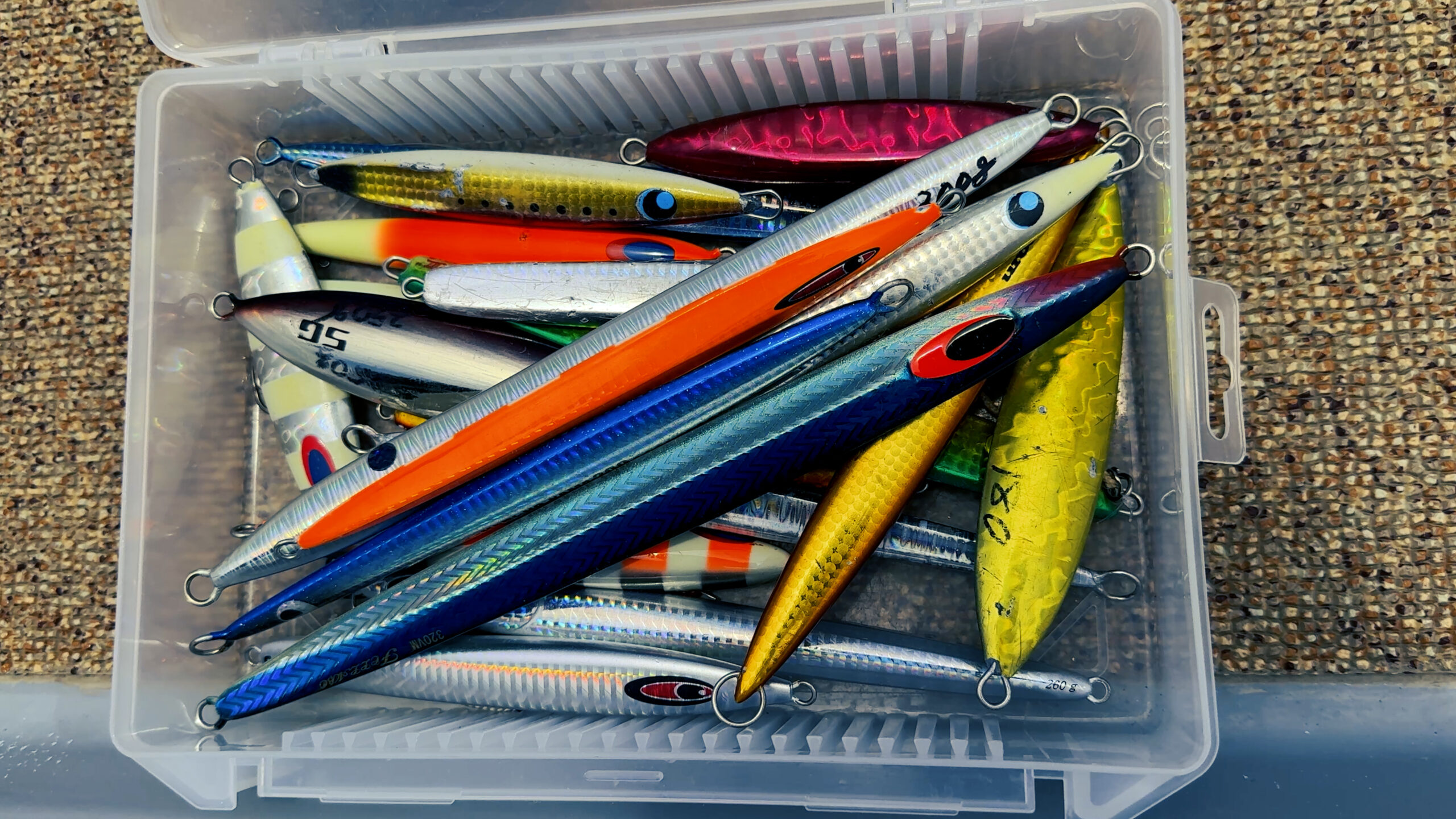
A: For hairtail jigging, 80g to 100g jigs are the sweet spot for the 510L, enabling light, agile pitches that utilize the rod’s repulsion. For slow jigging, when you want to load the rod’s weight properly to create a falling action, weights between 150g and 180g feel the absolute best. It is best to use these ranges as a baseline and adjust according to depth and your desired action (high-pitch or slow).
Q: What is the optimal jig weight for the 510ML?
A: For the 510ML in hairtail jigging, 100g to 120g jigs serve as the standard. You can scale down to 80g–100g for quicker darting actions, or scale up to 150g+ when attacking deeper water. For slow jigging, the most frequently used and comfortable weight range is around 200g (180g to 230g). Because it has more power than the 510L, it is the perfect model for deep waters or when you want to firmly animate high-resistance leaf-shaped or semi-long jigs.
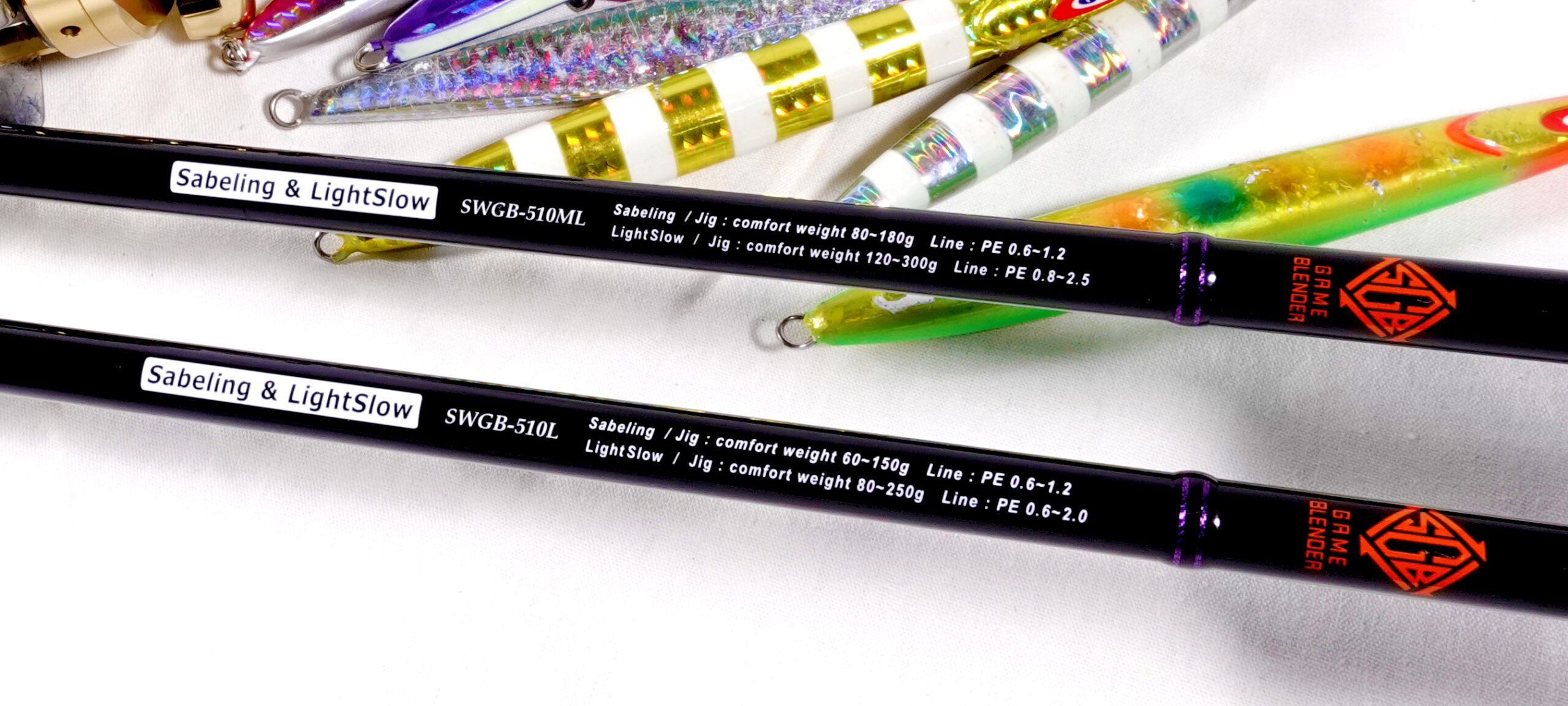
Q: What does “CW” mean in the specifications?
A: CW (Comfort Weight): This indicates the optimal load for the most comfortable use. It is not an absolute maximum limit, so slight variations above or below this weight are perfectly fine.
Q: What else can I use it for besides hairtail and slow jigging?
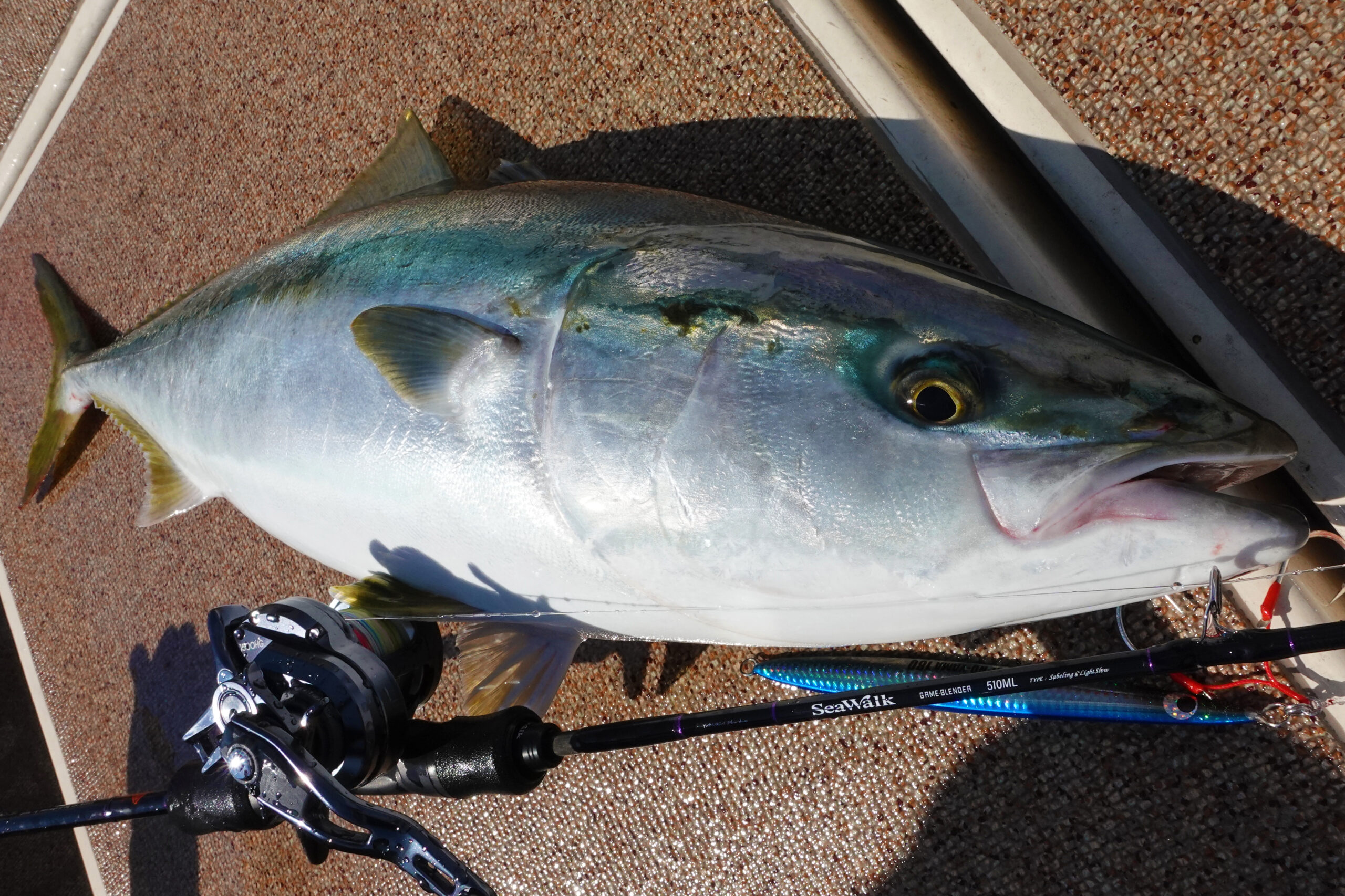
A: Even when targeting blue runners (pelagics), utilizing slow pitches will generally bring out the best in this rod. However, when fish aren’t responding to slow movements, it can easily adapt to a high-pitch, aggressive jerking style to trigger bites. You can certainly use a one-pitch jerk to slide the jig sideways, but in that case, it is crucial to select a jig weight that the rod can properly snap and propel.
Q: Why are the recommended specs different for slow jigging and hairtail jigging on the same rod?
A: This is because the method of input (the direction of operation) on the rod differs completely depending on the target. For hairtail, the recommended specs are based primarily on “winding” motions (bottom-to-top action), such as a one-pitch jerk. On the other hand, slow jigging relies on lifting the jig with the rod and then letting the “fall” induce the bite, which is why we established separate weight ratings to accommodate heavier jigs for the fall.
Q: What are the benefits of a tubular blank?
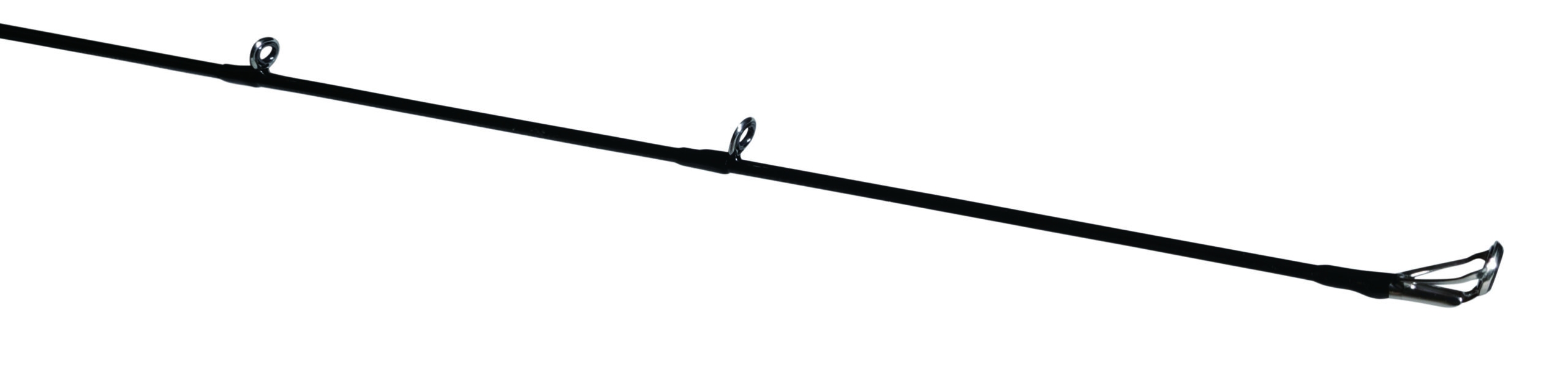
A: The biggest advantage is its overwhelming lifting power (the speed at which it brings fish to the surface). Because the blank’s recovering force is so strong, you can quickly and forcefully pull in hooked fish. To achieve the direct operational feel characteristic of tubular blanks, along with high lifting power and the ability to produce smooth lure actions, the rod is designed to bend supplely throughout its entirety.
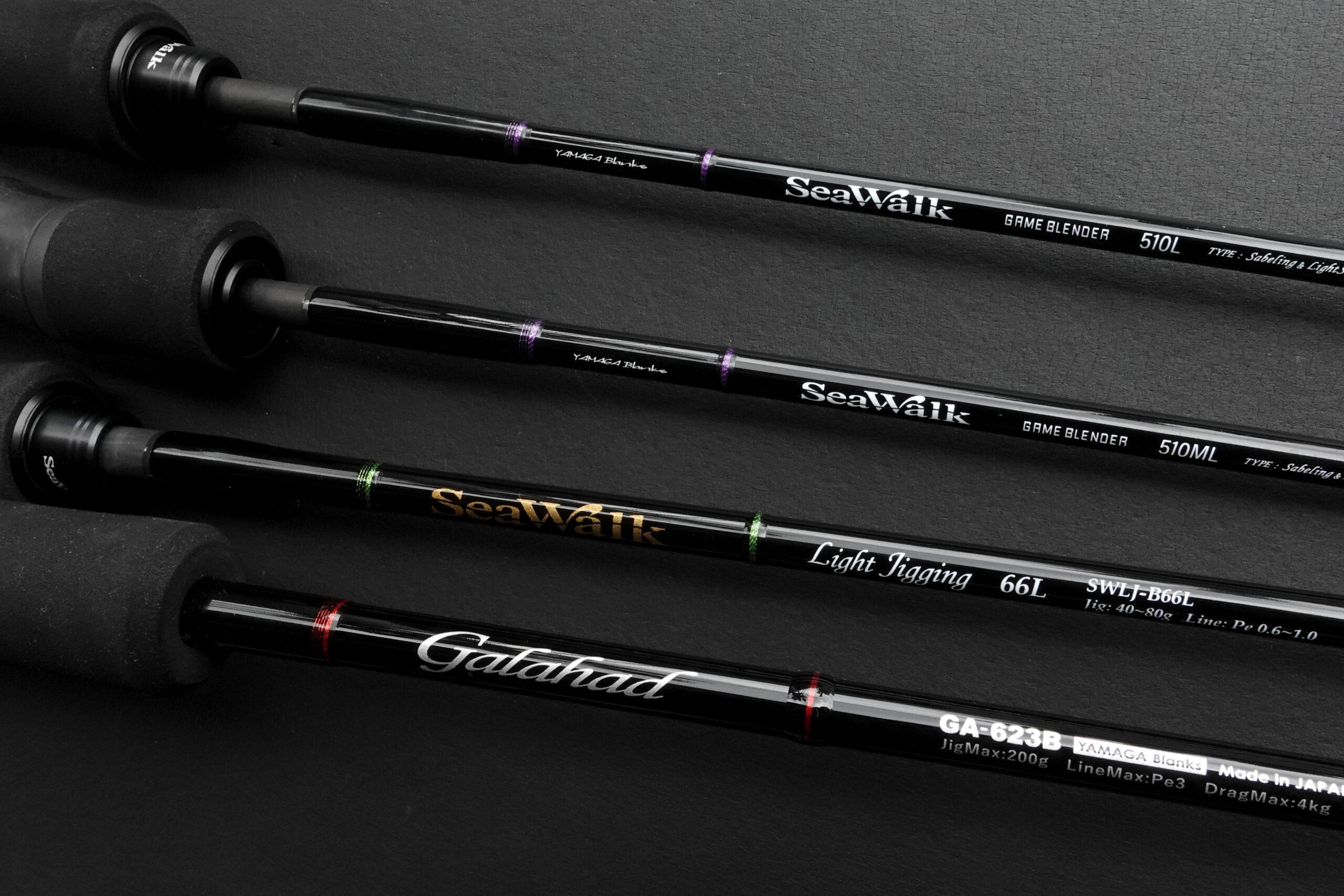
Q: How does it compare to the Light Jigging models or the Galahad?
A: The Light Jigging models specialize in the “winding (swimming)” of tungsten jigs, featuring a tip that seamlessly absorbs bites.
Difference from Game Blender: While the Game Blender “uses the rod’s repulsion to make the jig glide (turn sideways) on its own,” the Light Jigging models take the exact opposite approach, aiming to “swim the jig smoothly without erratic movements.”
The Galahad, meanwhile, is tailored for targeting blue runners with large, sweeping slides of long jigs. It specializes in standard, powerful jerks, making those heavy motions overwhelmingly easier.
Difference from Game Blender: The Galahad is completely focused on “lifting (jerking) actions,” geared towards classic blue runner jigging. If you want to delicately induce bites on the fall or enjoy the highly technical, manual feel of hairtail jigging like you can with the Game Blender, the Galahad is simply a bit too strong.
Q: What is the best tackle balance in terms of reel combinations?
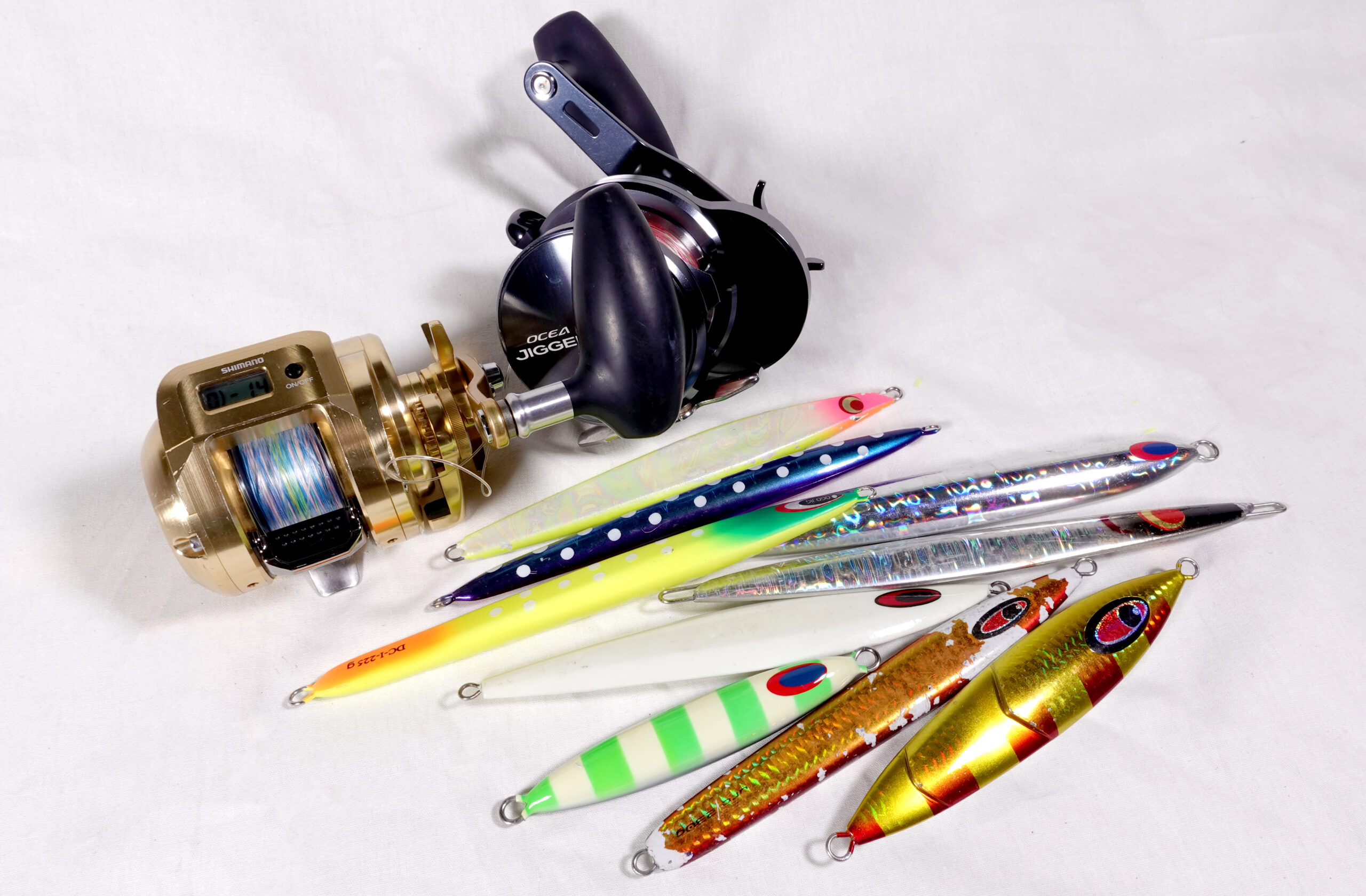
A: When targeting hairtail, fishing primarily in shallow waters (up to 30m), or using jigs around 80g, a 150 to 200 size reel is ideal. If you prioritize efficiency (turnover rate) or are using jigs 150g and above, a 300 class reel is more suitable.
For slow jigging, a 300 class reel works well for a lighter tackle setup or when using thin lines. If you are targeting deep waters or prioritize winding power, we recommend a DAIWA size 10–15 or an SHIMANO size 1000–2000 class reel.
Game Blender 510 Q&A Summary
1. Key Features of the 510L & 510ML
Primary Targets & Uses: Hairtail jigging, inshore light slow jigging (also handles blue runners, etc.).
Handling & Blank Characteristics: Overall crisp tension with the bending fulcrum near the hand. Enables smooth, self-gliding jig actions (flicking upwards/turning sideways) with light input.
Action Adaptability: Highly capable of both slow fall presentations and high-pitch actions tailored for hairtail.
2. Choosing Between Models (L / ML) & Specs
510 L: Lure Weight: *CW 60~150g (Sabering/Hairtail) / CW 80~250g (Light Slow). Recommended depth: 100m–150m (Optimal around 100m).
510 ML: Lure Weight: *CW 80~180g (Sabering/Hairtail) / CW 120~300g (Light Slow). Max depth: up to 200m (in slow currents).
Difference in Spec Ratings: Since input methods differ—”lifting (winding)” for hairtail vs. “lifting and falling” for slow jigging—recommended weights and lines are optimized for each respective style.
3. Advantages of the Tubular Blank
Lifting Power: High repulsion (recovery force) from the blank allows for incredibly fast surfacing of hooked fish.
Operability: Delivers a direct feel of the action, perfect for a proactive style where you feel the bite and aggressively “go for the hookset.” Designed with a supple bend to easily produce smooth lure actions.
4. Comparison with Other Series
Game Blender 510: Excels at actions that make the jig glide on its own (both slow & high-pitch). Offers the direct thrill of manual operation and hooking fish yourself.
Light Jigging Models: Specialized for “winding (swimming)” tungsten jigs. Designed with an emphasis on bite absorption.
Galahad: Specialized for the standard, powerful style of sliding long jigs in wide motions to target blue runners.
5. Reel Setup Tips & Considerations
Optimal Sizes: For hairtail jigging primarily in shallow waters, 150–200 size reels. For high efficiency (turnover rate) or when using jigs 150g+, use a 300 class.
For slow jigging with light lines, use a 300 class. For deep water targeting or maximizing winding power, we recommend DAIWA size 10–15 or SHIMANO size 1000–2000 reels.
https://yamaga-blanks.com/product/boat-light-game/seawalk-gb/?lang=en